Kidswear · AI product photography
On-model kidswear photos without a child on set.
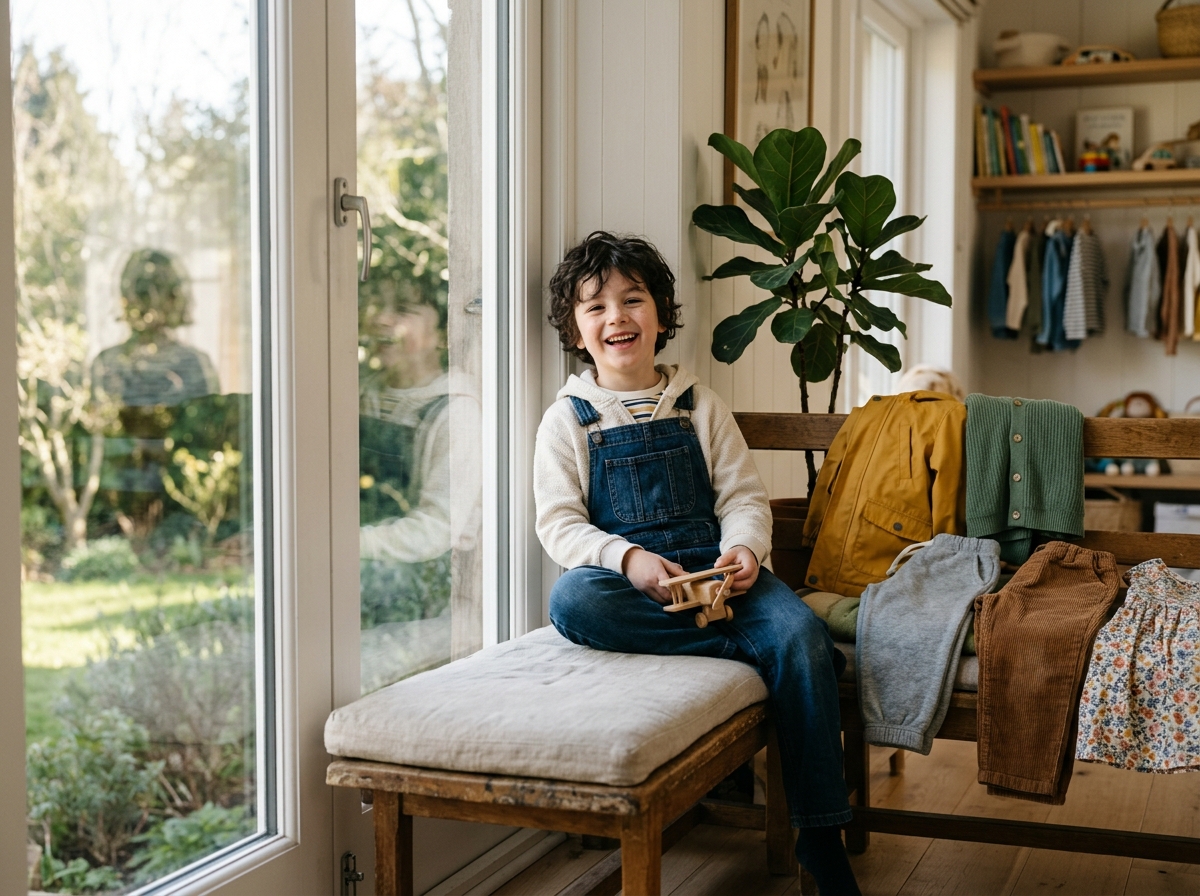
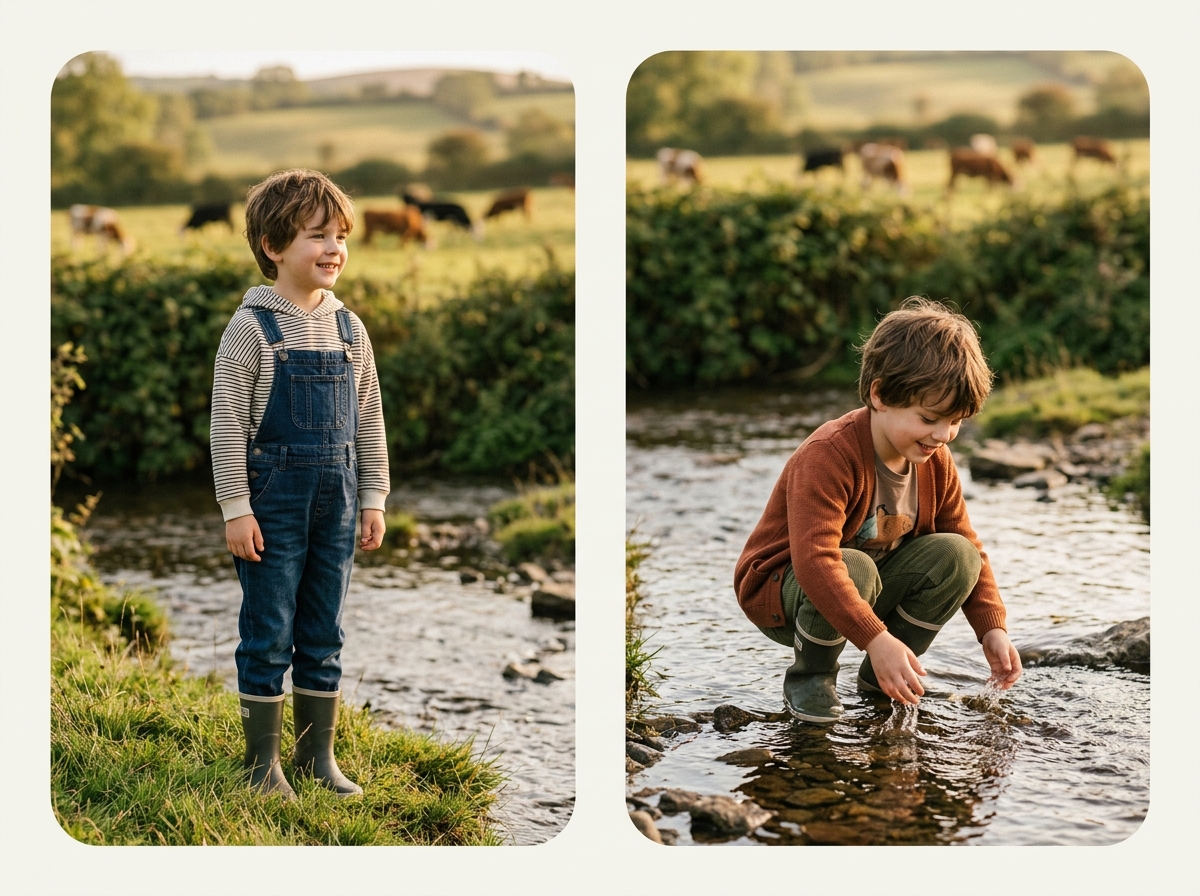
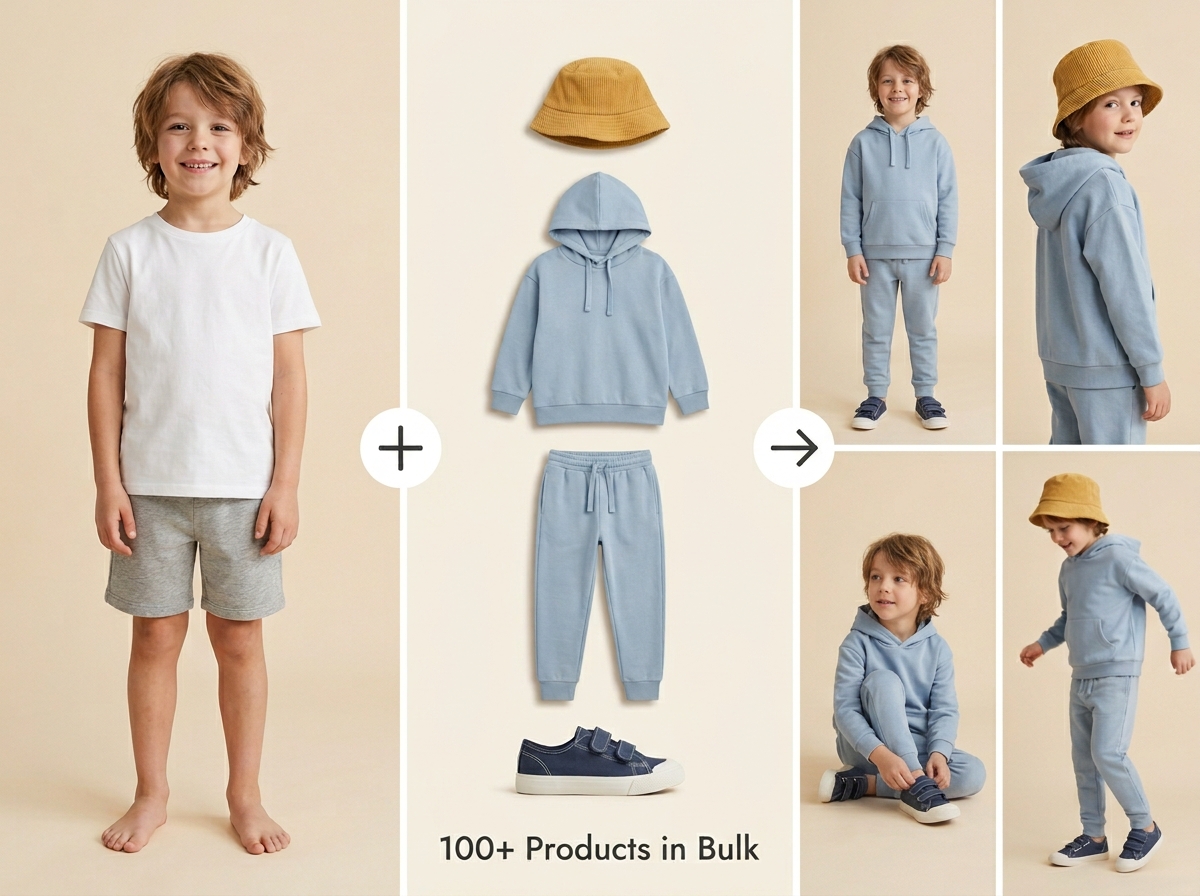
Turn the flat-lays you already have into on-model shots, lookbooks and reels with AI child models. No casting or releases to manage, and a full kids' collection ready in an afternoon.
- Infinite faces & poses
- Any age, any scene
- No casting or releases
★★★★★
-
 Tribe Amrapali
 -
 Laa Polky Stories by Raniwala
 -
 Onya Lab-Grown Diamonds
 -
 House of Armuse
 -
 Ridhi Mehra
 -
 Vasundhara
 -
 Senses
 -
 Talwar & Sons
 -
 M.K. Ghare Jewellers
 -
 Ethnic Cotler
 -
 Jack & Jill
 -
 Under5ft7
 -
 Me & Mine
 -
 STABL
STABL -
 The K Way
Founders are alumni of  Y Combinator
  IIT Bombay
Y Combinator IIT Bombay From upload to collection
One upload, a whole kids' campaign
Send what you already have. Get back on-model shots, colourways and scenes, without booking a studio or a child.
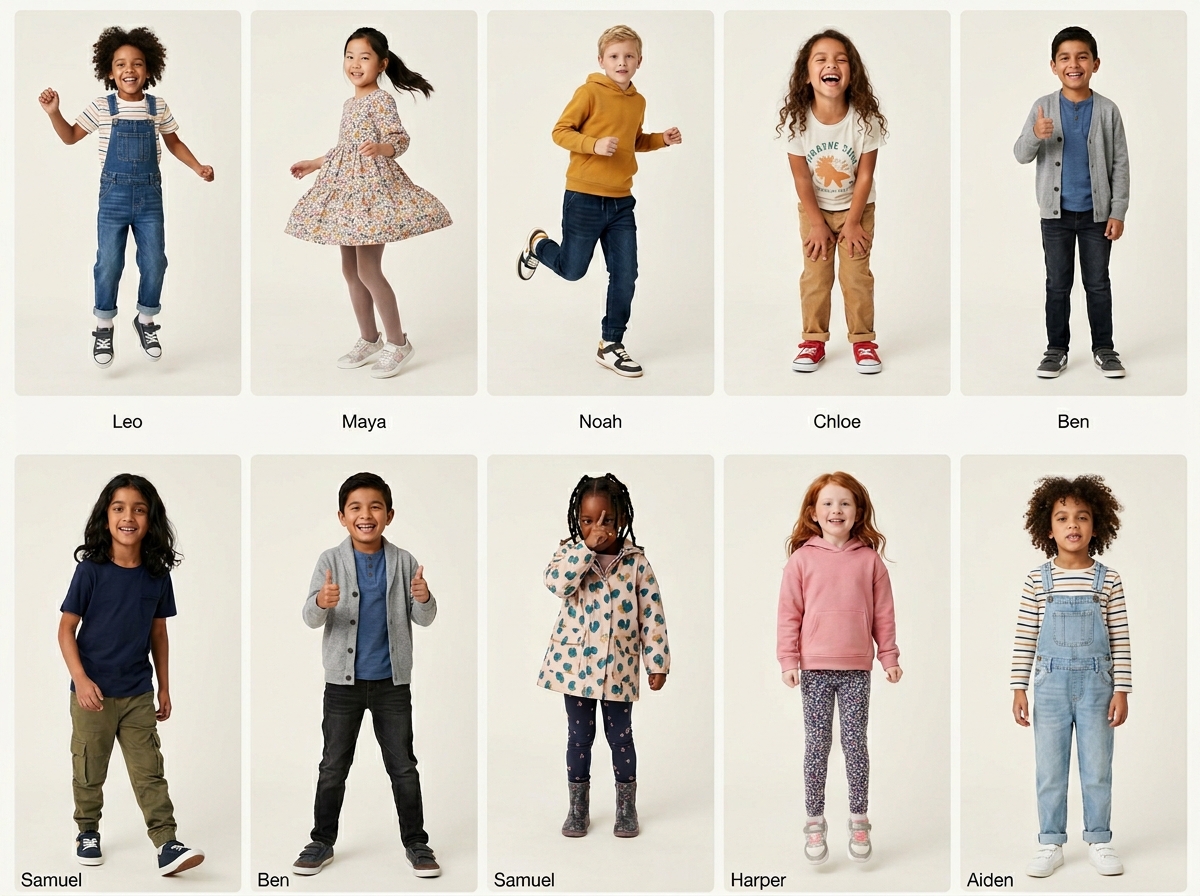
Every skin toneOne click
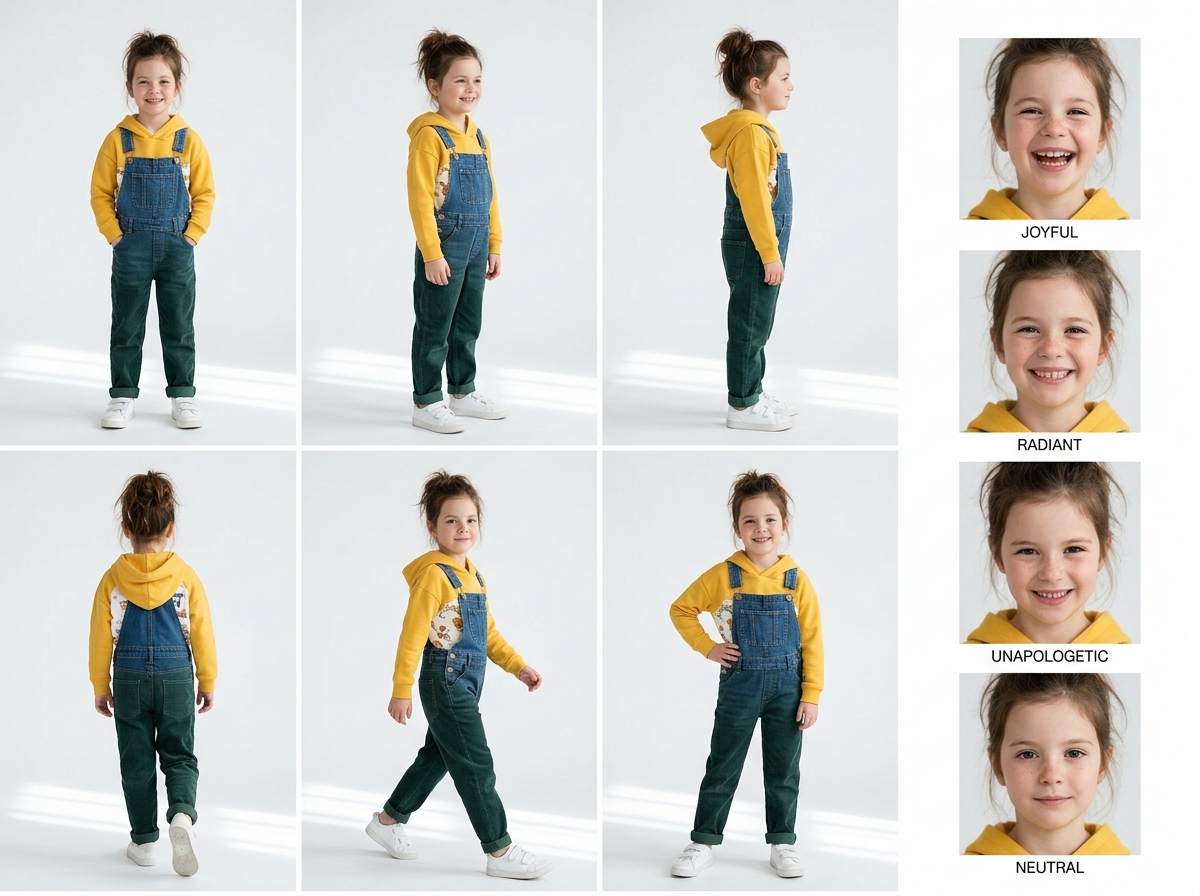
Every angle, every moodNo reshoots
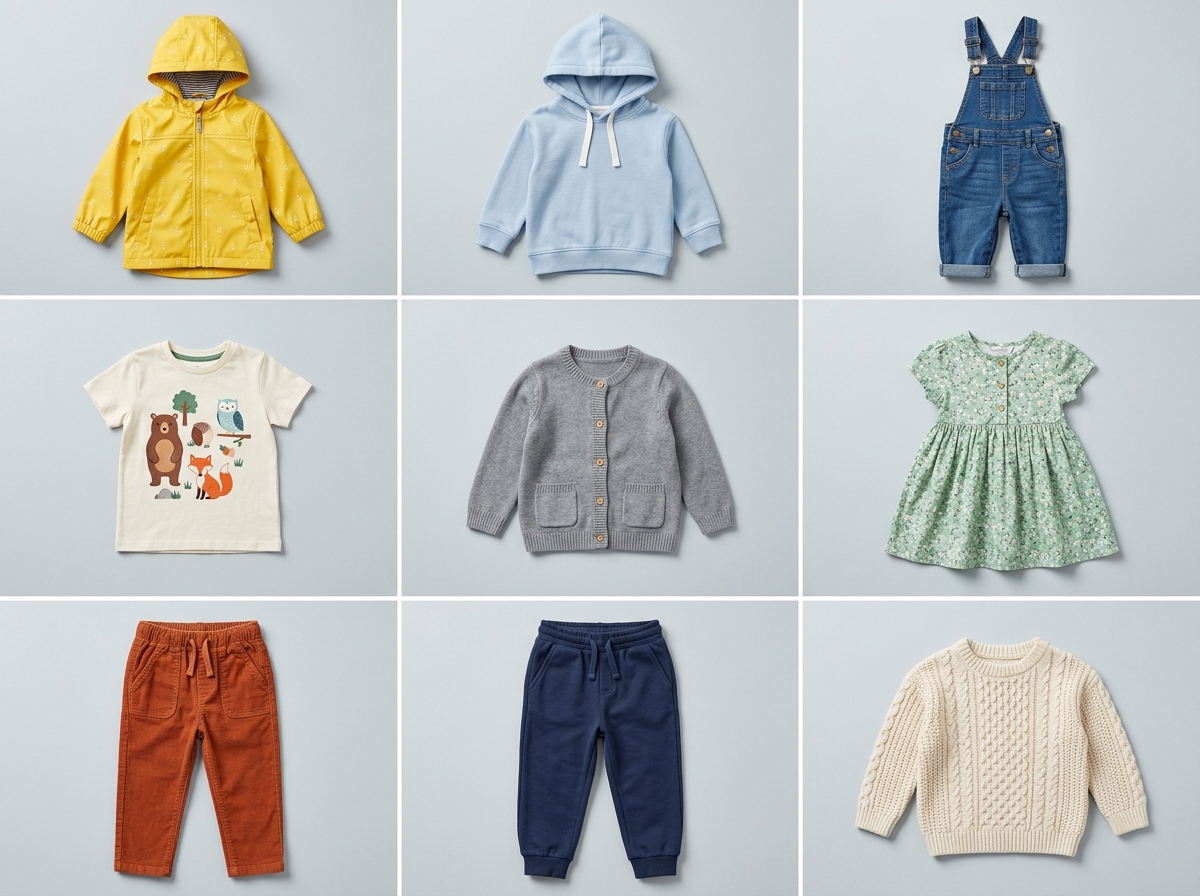
Product-ready imageryNo studio required
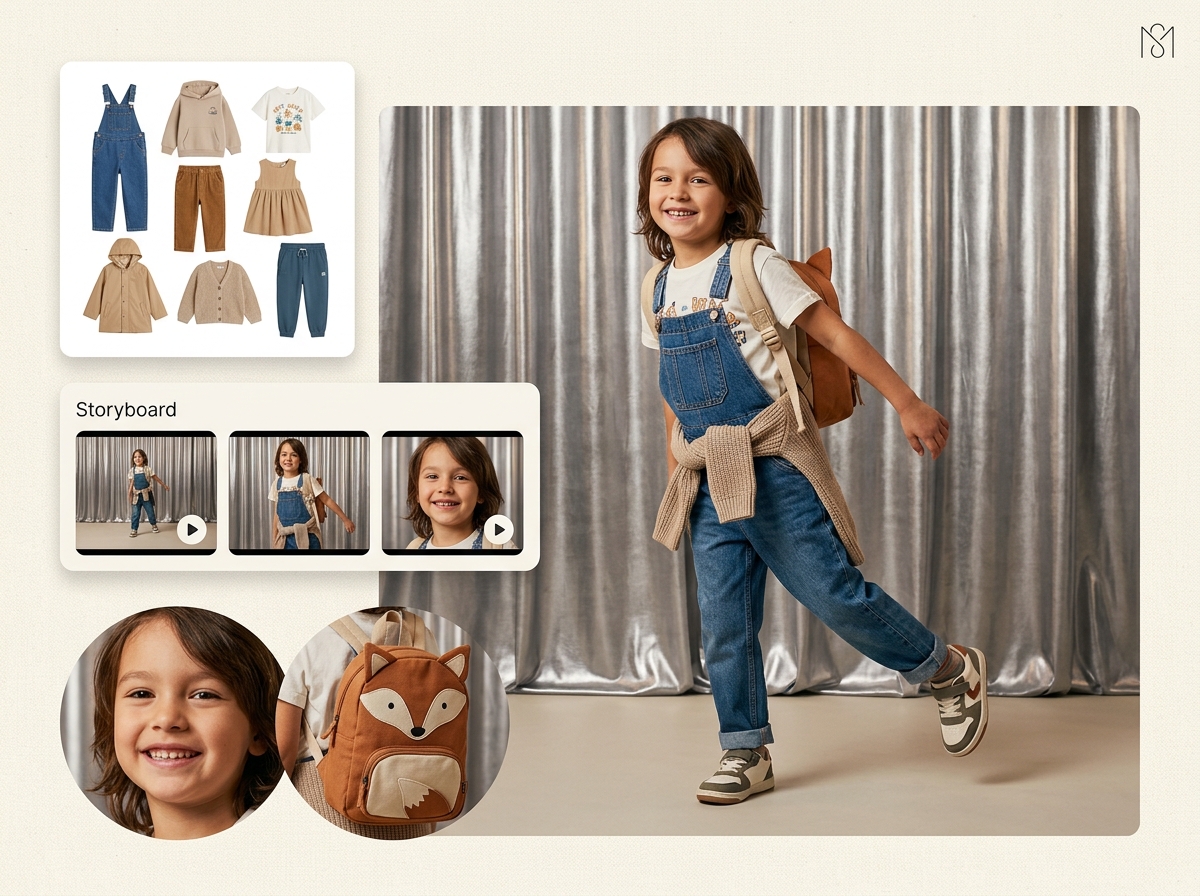
Brief to videoin minutes
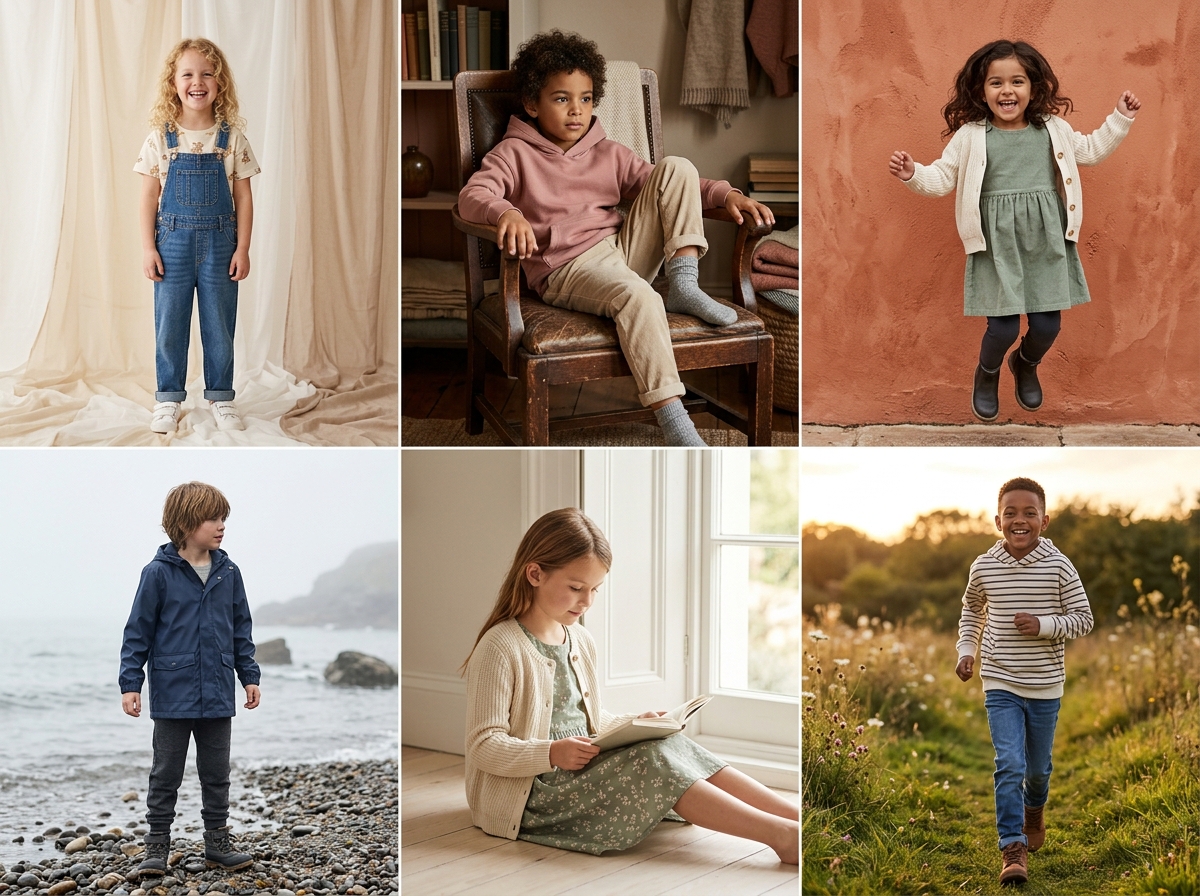
One outfitAny setting you want
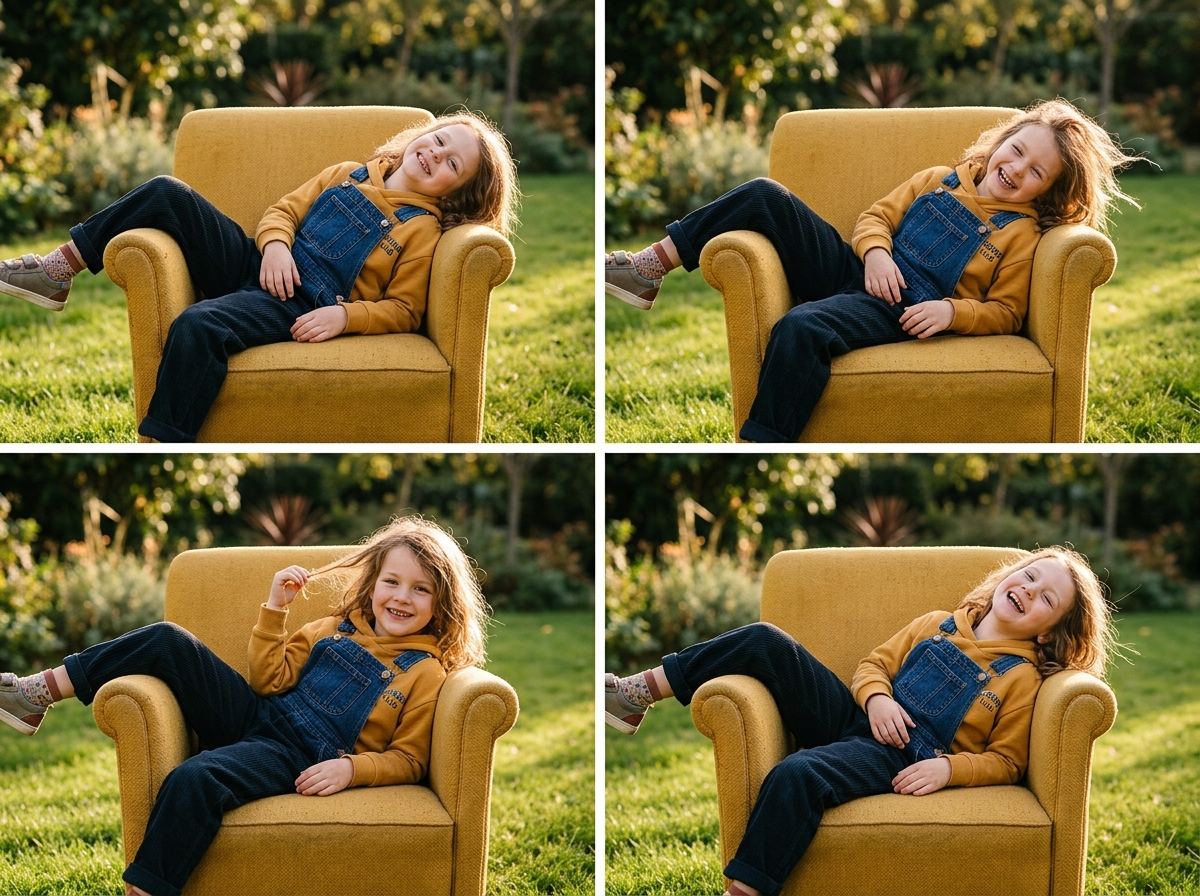
Consistent model faceInfinite variations
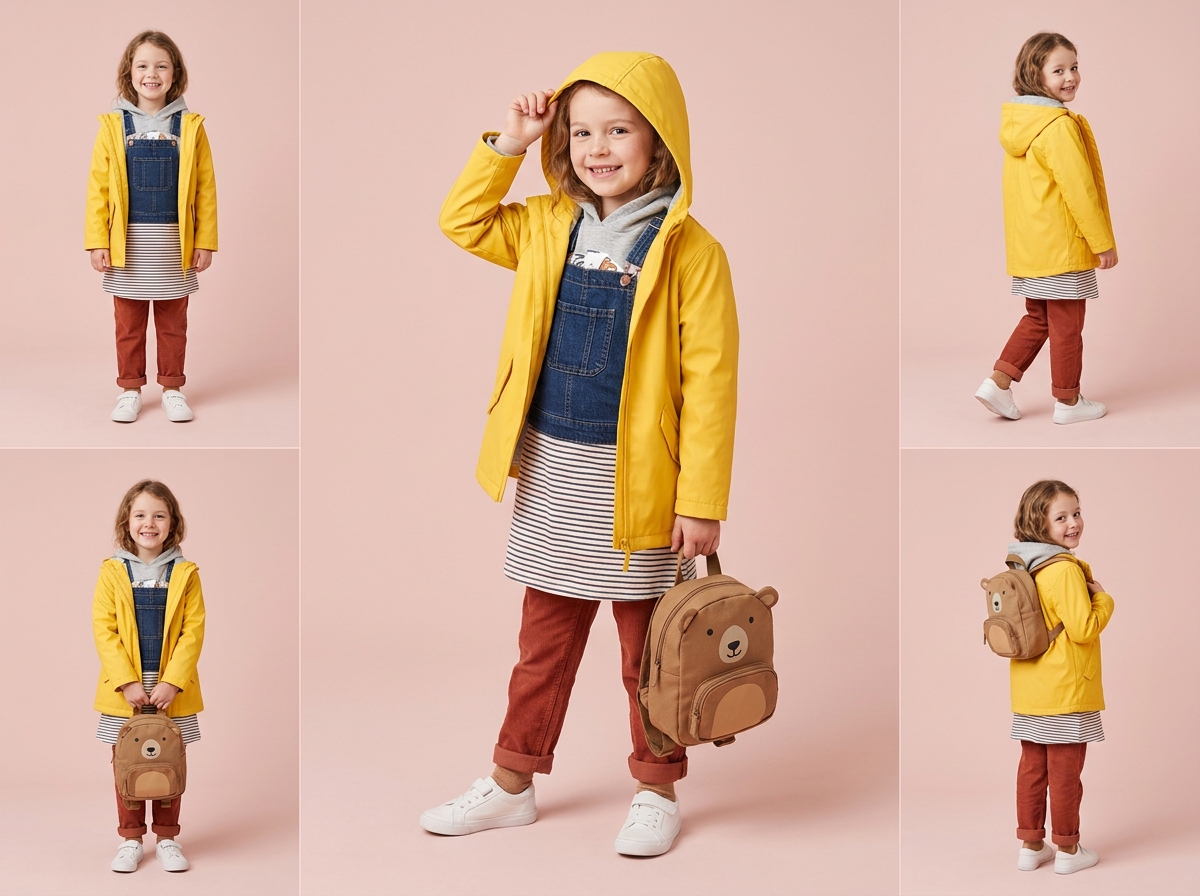
Her full lookbookNo studio booked
What you actually get
Photos your team can publish the same day.
Send a flat-lay or a sample on a hanger. You get back on-model shots, colourways and scenes that match the garment you actually sell.
Fabric, fit and prints
Knits, prints and character graphics hold their shape on a child's frame, so the garment reads like the one in your warehouse.
Every colourway
Shoot once, then generate each colour and print. Colour stays close to your sample without a reshoot.
Newborn to pre-teen
Match the model's age to the size you sell, across baby, toddler, kids and pre-teen, in a range of skin tones.
One cast, whole collection
Lock a child model once and reuse it on every SKU, so the catalogue looks like a single shoot.
Studio or lifestyle
Playroom, park or a seasonal set. Pick the scene without booking a location or a shoot day.
Stills and reels
Get product stills, detail crops and short reels from one upload, sized for PDPs and social.
Safe by design
No real children. None of the paperwork.
Every model is generated, so the legal and logistical weight of a kids' shoot goes away.
No real children
Models are synthetic and not based on any identifiable child.
No releases or consent
Nothing to sign, chase or file before you publish.
No chaperones or hour limits
Generate any time, with no on-set supervision to schedule.
Commercial rights included
Use the images on PDPs, ads, social and marketplaces.
AI vs traditional
A kids' shoot, without the kids' shoot logistics.
What changes when you generate the catalogue instead of booking a children's photoshoot.
Traditional shoot
With kaptured.ai
Casting and scheduling
Cast child models, coordinate parents, work around school runs and nap times
No casting. Generate any age on demand
Consent and releases
Parental consent and usage releases for every child
None needed. The models are synthetic
On set
Studio, photographer, stylist and a chaperone for the day
Nothing to book. It runs from your uploads
Turnaround
Two to four weeks per shoot
Minutes to same day
Reshoots
Kids grow between seasons, so reshoots are common
Regenerate any look without booking anyone
Cost per collection
Roughly ₹80,000 to ₹2,00,000 for a full catalogue
A fraction of one shoot day
Scale
Limited by how many looks fit in a shoot day
100+ SKUs in a single batch
See it on real kidswear
From flat-lay to on-model, by garment type.
Examples across the kidswear ranges brands generate most — every one from a single flat-lay or hanger shot.
The detail
What kidswear teams ask before switching to AI.
A closer look at the parts of children's clothing photography that AI child models change, and the parts they keep exactly as they are.
Why kidswear photography is harder than it looks
A children's clothing shoot carries problems adult fashion does not. You are coordinating real kids, which means parents, school timetables, nap windows and short attention spans, all on a booked studio day. A shoot that overruns is expensive, and a child who will not cooperate can lose you half a day.
Kids also grow. The model who fit your 3-4 size in spring will not fit it by autumn, so seasonal ranges often mean fresh casting and another shoot. Matching the model's age to the garment size matters too, because a 6-9 dress photographed on a much smaller child sets the wrong expectation and drives returns.
Generating the catalogue removes the scheduling and the growth problem. You pick the age band per garment, generate the look, and regenerate later without booking anyone again.
How AI child models work
The child models are synthetic. They are generated, not photographed, and they are not based on a single identifiable real child. You upload a flat-lay, a hanger shot or a mannequin photo, and the system reads the fit, fabric and colour from it, then renders that exact garment on a child model of the age, skin tone and pose you choose.
Because nothing is tied to a real minor, there are no model releases to sign, no parental consent forms to collect and no on-set chaperone to schedule. You receive full commercial rights to the output, so the images are cleared for your PDPs, ads, social and marketplace listings.
You can also lock a model reference once and reuse the same child across an entire collection, so the catalogue reads like one coordinated shoot instead of a patchwork of sessions.
Built for kidswear marketplaces
Most kidswear brands sell across more than one channel, and each has its own image rules. From a single upload you can generate pure white-background PDP shots that meet Amazon's main-image spec, lifestyle and on-model shots for Shopify, and the cleaner catalogue crops that Myntra, Flipkart and Nykaa Fashion expect.
Generating per channel from one source keeps colour, fit and the model consistent across every storefront, so a shopper sees the same garment whether they find it on your site or a marketplace. That consistency is hard to hit when each channel comes from a separate shoot.
Use cases
Use it the way your team already ships.
PDP pack for every SKU
Front, back, three-quarter, detail and a candid. One flat-lay becomes a full PDP set in minutes.
10 images / SKU
Generate images Seasonal drops, one cast
Lock the child models, then roll a seasonal range across playroom, park and studio. No reshoot when the line changes.
1 lock → 50+ visuals
See examples Wholesale and marketplace
Hero, flat-lay and on-model grids for line sheets, Amazon and bulk catalogues.
100+ SKUs / batch
Book a demo FAQ
Everything merchandisers ask first.
Are any real children photographed?
No. Every child model is fully AI-generated, so no real child is photographed, cast or involved at any point in the process. You upload a photo of the garment, such as a flat-lay or a hanger shot, and the model is generated around it. This is the main reason brands move kidswear to AI: it removes the part of a children's shoot that is hardest to manage, which is working with real kids on a timed studio day. The garment stays real and true to your sample. Only the child wearing it is synthetic.
Do I still need model releases, consent forms or a chaperone?
No. Model releases, parental consent forms and on-set chaperones all exist to protect a real child during a shoot. Because the models here are synthetic and not tied to any real minor, none of that paperwork applies. There is nothing to sign, nothing to chase from parents and no supervision to schedule. For brands this removes a slow, sensitive part of kidswear production and a recurring legal checklist, while still leaving you with images you fully own and can publish anywhere.
Is it legal to use AI child models for ecommerce?
Yes. The models are generated compositions and are not based on a real, identifiable child, so there is no individual whose likeness or rights are being used. You receive full commercial rights to every image, which covers your product pages, ads, social posts, lookbooks and marketplace listings, with no attribution required. The garment shown is your own product. If your marketplace or region has specific disclosure rules for AI imagery, you can label the images accordingly, but the generation itself is cleared for commercial ecommerce use.
Can I match the model's age to the garment size?
Yes, and it matters for returns. You choose the age band per garment, from newborn and toddler through kids and pre-teen, so a size 6-9 dress is shown on a child who actually fits that size rather than a much smaller or larger model. You can also set skin tone, gender and pose. Matching age to size gives shoppers an accurate sense of fit and proportion, which is one of the quiet reasons kidswear gets returned when the catalogue model does not match the size on the label.
What images do I need to upload?
A few clean garment photos are enough. A flat-lay, a shot on a hanger, or a photo on a child mannequin all work, ideally at 800x800 pixels or larger and well lit. The system reads fit, fabric, colour and any print from those references and generates on-model shots from there. You do not need a studio setup or an existing model photo. The cleaner and sharper your source image, the more accurately the print, weave and colour carry through to the generated result.
How do you handle prints and character graphics?
Prints, repeating patterns and licensed character graphics are preserved on the garment as you uploaded them, including placement across the chest and body. Kidswear leans heavily on bright prints and characters, so this is calibrated carefully. After generation you can review each result and fine-tune if a graphic needs to sit differently. If you hold the licence for a character print, the generated image carries it exactly as it appears on your physical product.
How accurate is colour and fabric?
Colour is held close to your base photograph, and weave, print and drape are preserved so soft knits, cottons and party fabrics behave like the real garment on a child's frame. Accurate colour is important in kidswear because pastels and brights are easy to shift, and a wrong shade on a PDP leads to returns. You can adjust colour and finish after generation if you want it tighter to a physical swatch before the images go live.
Can I keep the same cast across a collection?
Yes. You can save a child model reference once and reuse the same model across every SKU in a collection, so the whole catalogue looks like a single coordinated shoot rather than a mix of sessions. You can also build a small recurring cast across age bands and reuse it season after season, which is something a real-child shoot cannot promise because children grow and availability changes between drops.
Do the images work for Amazon, Shopify and Indian marketplaces?
Yes. From one upload you can generate pure white-background PDP shots that meet Amazon's main-image requirements, lifestyle and on-model shots for your Shopify store, and the cleaner catalogue crops that Myntra, Flipkart and Nykaa Fashion expect. Because every channel is generated from the same source, the colour, fit and model stay consistent across storefronts, so a shopper sees the same garment whether they find it on your own site or on a marketplace listing.
Can I get video as well as stills?
Yes. The same upload can produce short reels and lookbook clips alongside the product stills, so you can populate a PDP and a social feed from one source. For kidswear this is useful for seasonal launches and ads, where a short clip of the look in a playroom or park setting performs better than a static image, without any of the cost of filming children on location.
How much does it cost compared with a traditional kids photoshoot?
A full children's catalogue shoot typically runs from around ₹80,000 to over ₹2,00,000 once you add studio, photographer, stylist, child models and coordination, and it takes two to four weeks. Generating the same catalogue with AI child models costs a fraction of a single shoot day and turns around in minutes to a day. The savings grow with every colourway and reshoot, since regenerating a look does not mean booking anyone again.
Kidswear
A full kids' collection, no shoot day required.
Lock a child model, send the flat-lays you already have, and pick the scenes. Your PDPs, lookbook and reels come back ready to publish, with no casting or releases to manage.