GLOSSARY
Fashion AI glossary
Plain-English definitions for the terms brand operators, marketers, and developers actually use.
A+ content
A+ content is Amazon's enhanced brand content format — additional imagery, comparison tables, lifestyle modules, and brand story sections placed below the standard PDP description. Required for serious Amazon brand registry sellers.
Read full definition →AI fashion model
An AI fashion model is a fully synthetic, AI-generated person used in product imagery instead of a real human model — with no model release required and no day-rate cost.
Read full definition →AI product photography
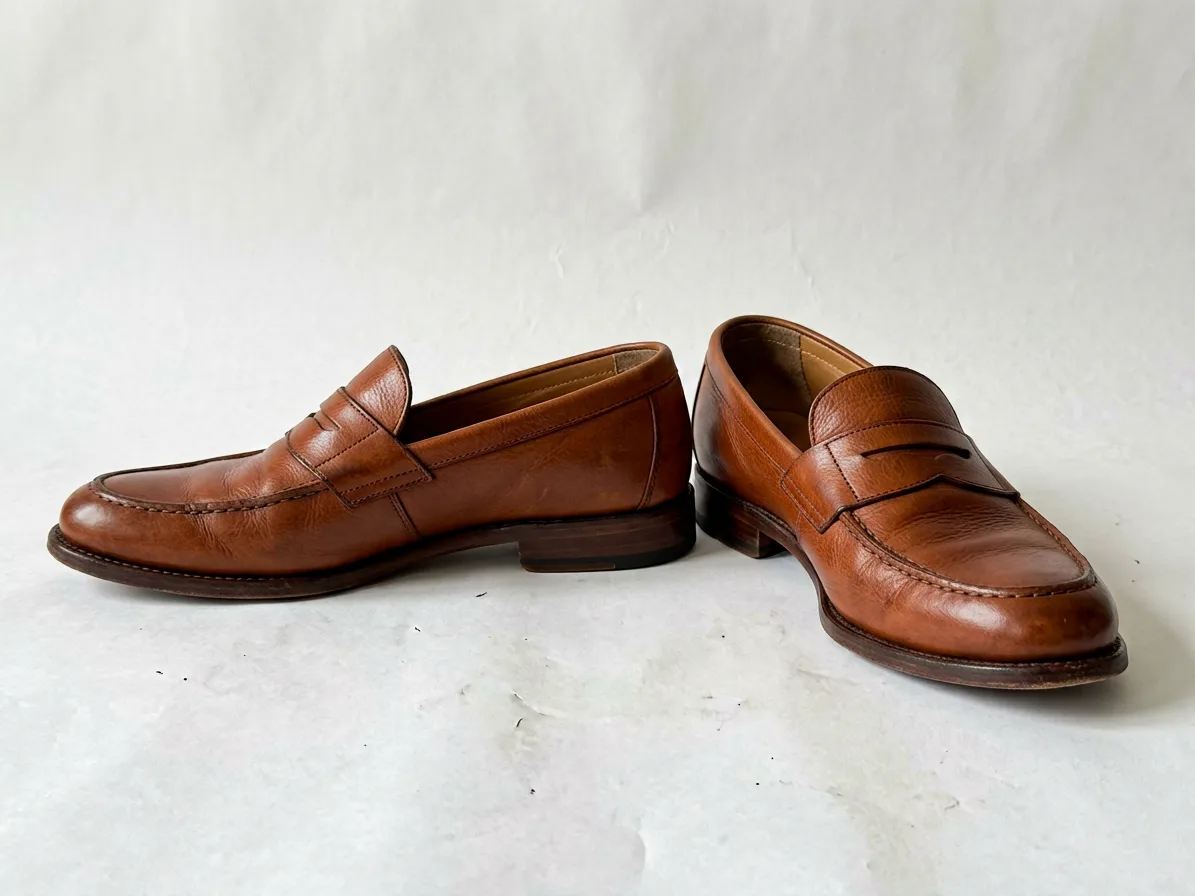
AI product photography is the use of generative AI to create product images — packshots, ghost mannequin, on-model, and lifestyle — directly from a source image, without a traditional photoshoot.
Read full definition →Background swap
Background swap is the AI workflow of replacing the backdrop of a product photo while keeping the product and any human subject unchanged — typically used to repurpose a single shoot into many scene variants.
Read full definition →Bulk generation
Bulk generation is the AI workflow of producing hundreds or thousands of product images in a single batch — typically used for full catalog refreshes, drop launches, or marketplace migrations.
Read full definition →Catalog photography
Catalog photography is the systematic production of product imagery for a brand's full SKU catalog — typically combining packshots, ghost mannequin, on-model, and lifestyle shots.
Read full definition →Creative fatigue
Creative fatigue is the drop in paid-ad performance that happens when an audience has seen the same ad creative too many times. The fix is variant generation — more creative versions per SKU so each impression feels fresh.
Read full definition →Diffusion model
A diffusion model is a class of generative AI that creates images by progressively denoising a random noise pattern, guided by a prompt or reference image. Diffusion models power most modern AI fashion photography tools.
Read full definition →Drape (in fashion AI)
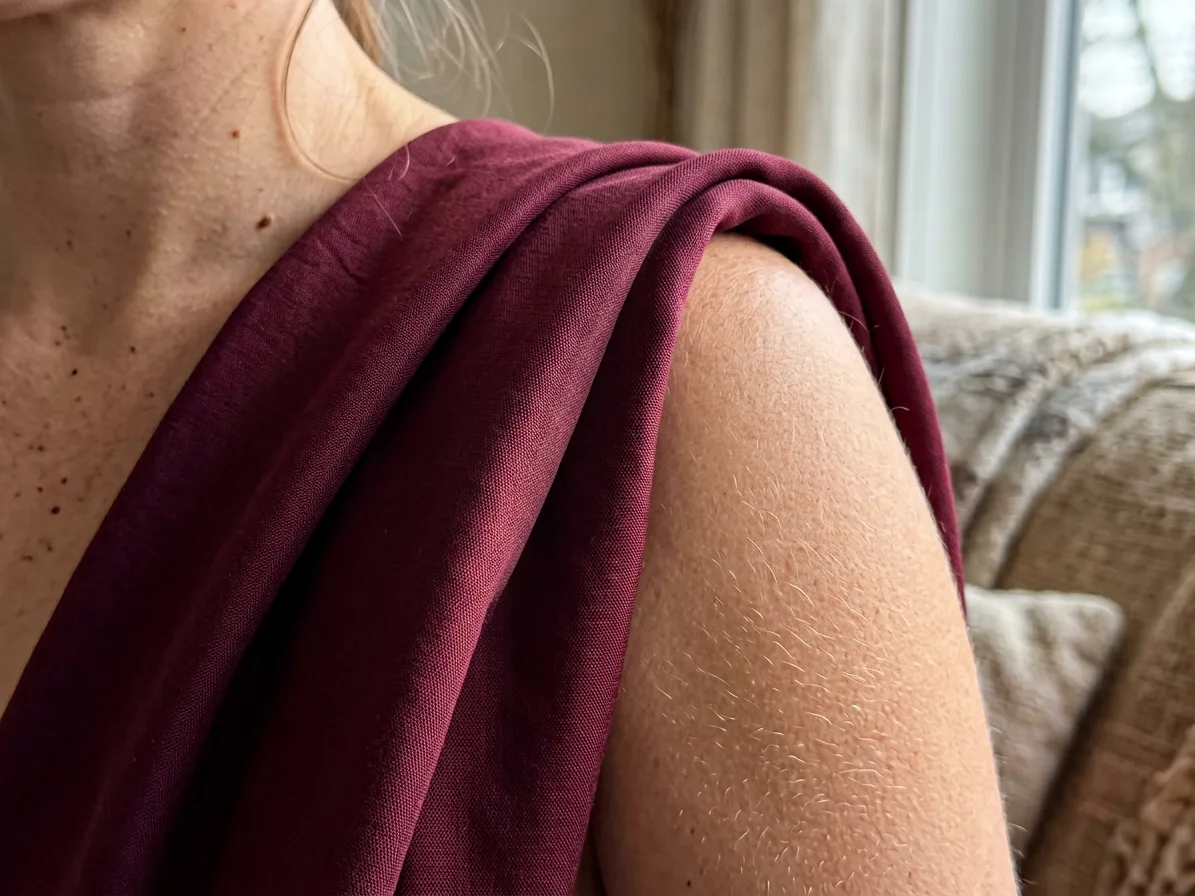
Drape is how a garment falls on a body — the silhouette, fold lines, fabric weight, and movement that make clothing read as real. AI fashion engines must render drape accurately to produce believable on-model imagery.
Read full definition →Flat lay photography
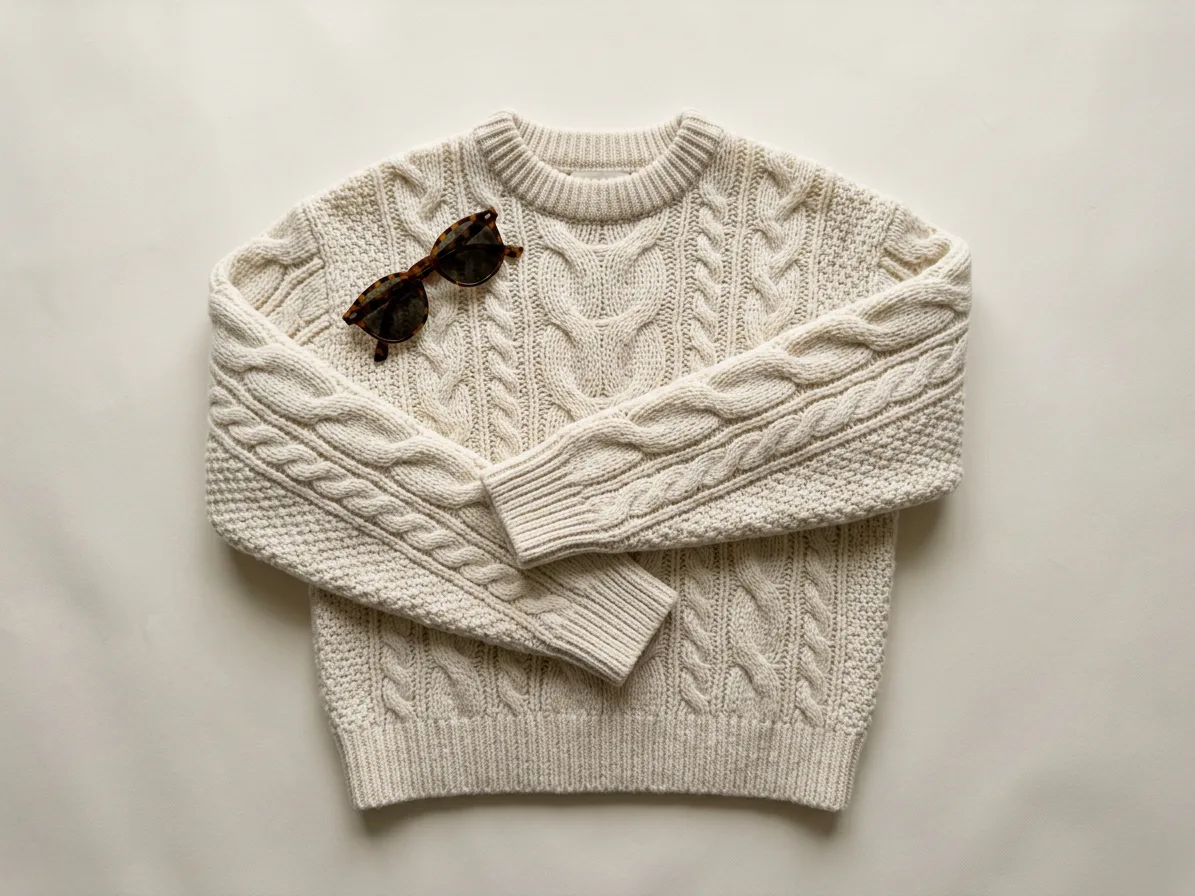
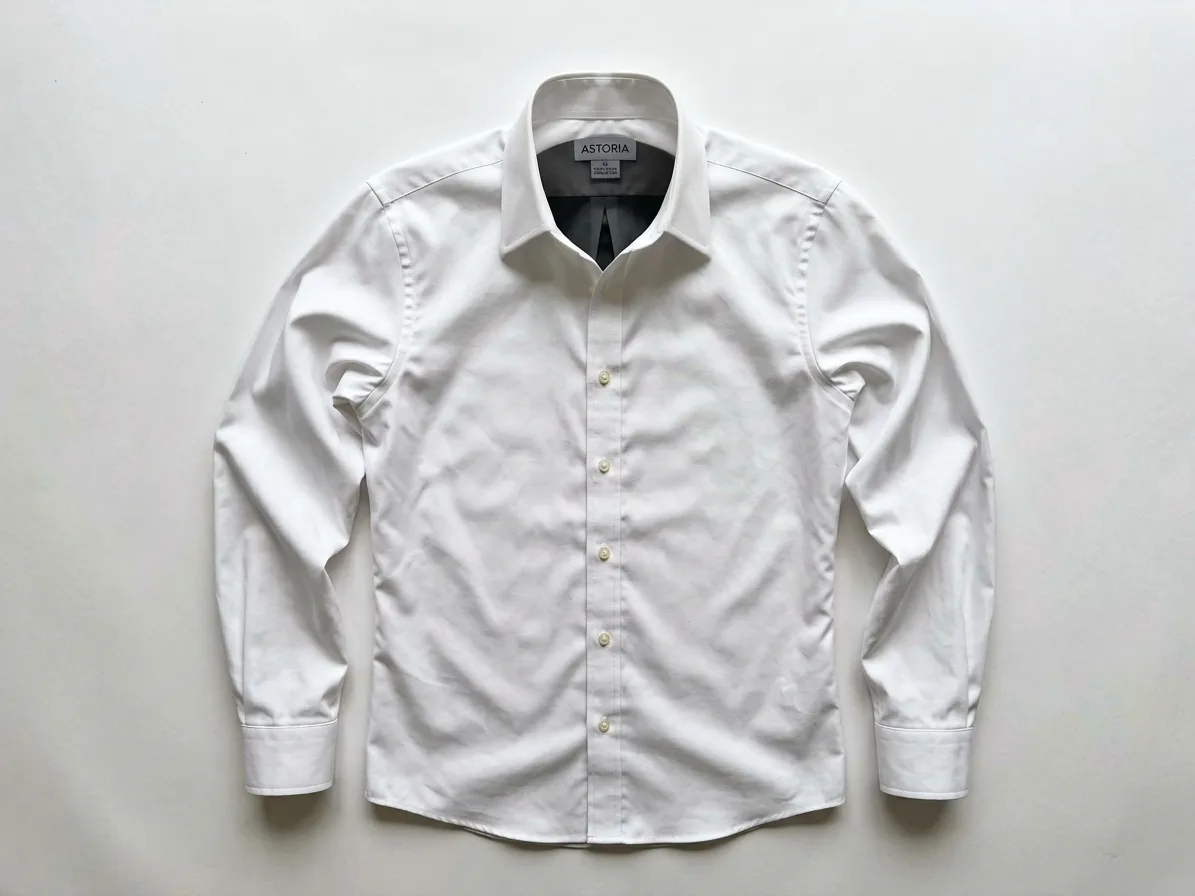
Flat lay photography is a product photo style where the garment is laid flat on a clean surface and shot directly from above, showing the garment shape and design without a model or mannequin.
Read full definition →Ghost mannequin photography
Ghost mannequin photography is a product photo style where the garment appears to be worn by an invisible body — the mannequin is digitally removed and the inside neck, sleeves, and seams are reconstructed.
Read full definition →Ghost mannequin vs flat lay
Ghost mannequin and flat lay are two product-photo styles that often get conflated. Flat lay shoots the garment flat on a surface, top-down. Ghost mannequin shoots the garment on an invisible mannequin so it shows three-dimensional fit.
Read full definition →Image-to-video
Image-to-video is the AI workflow of generating a short video clip from a single still image — used in fashion ecommerce to turn catalog photos into reels, hero banners, and shoppable video ads.
Read full definition →Lifestyle photography
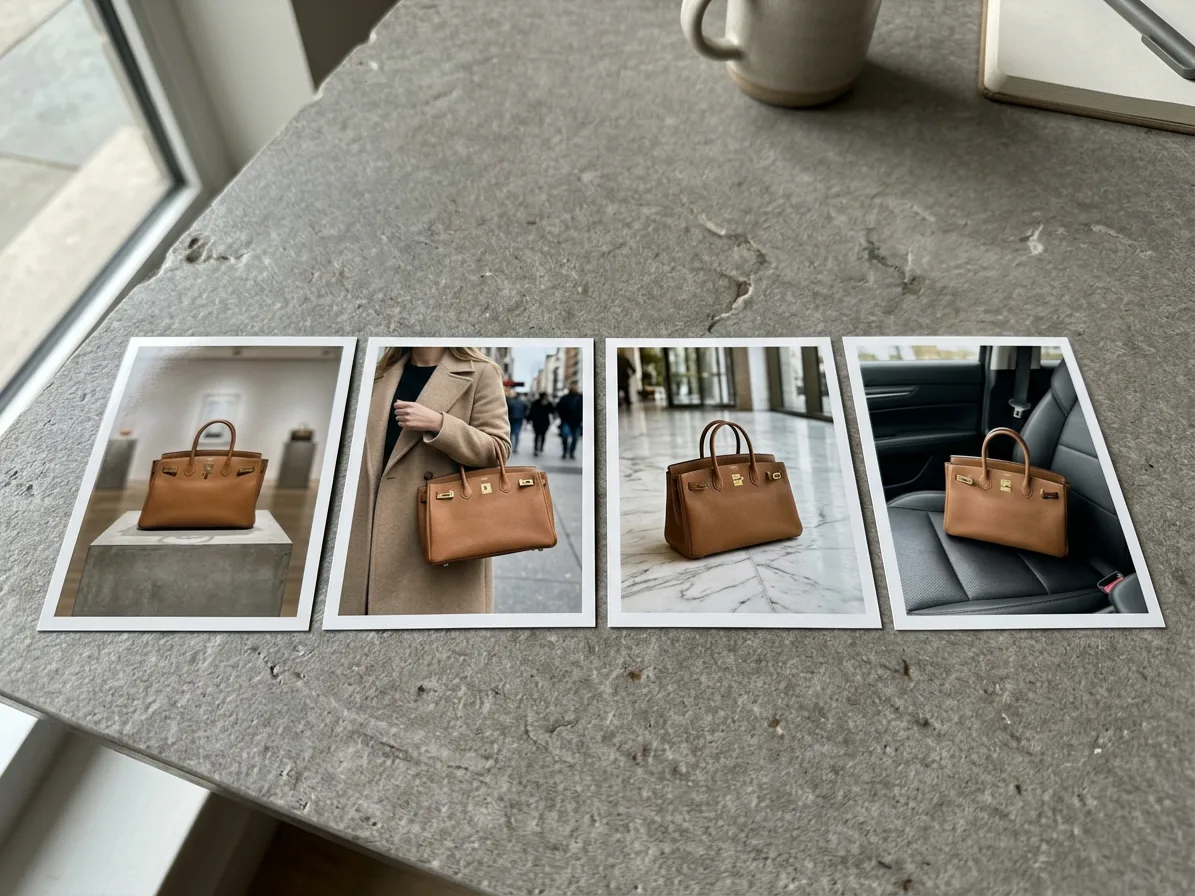
Lifestyle photography shows a product in use, in a real-world setting, with models doing real activities — the opposite of a clean packshot.
Read full definition →Look book
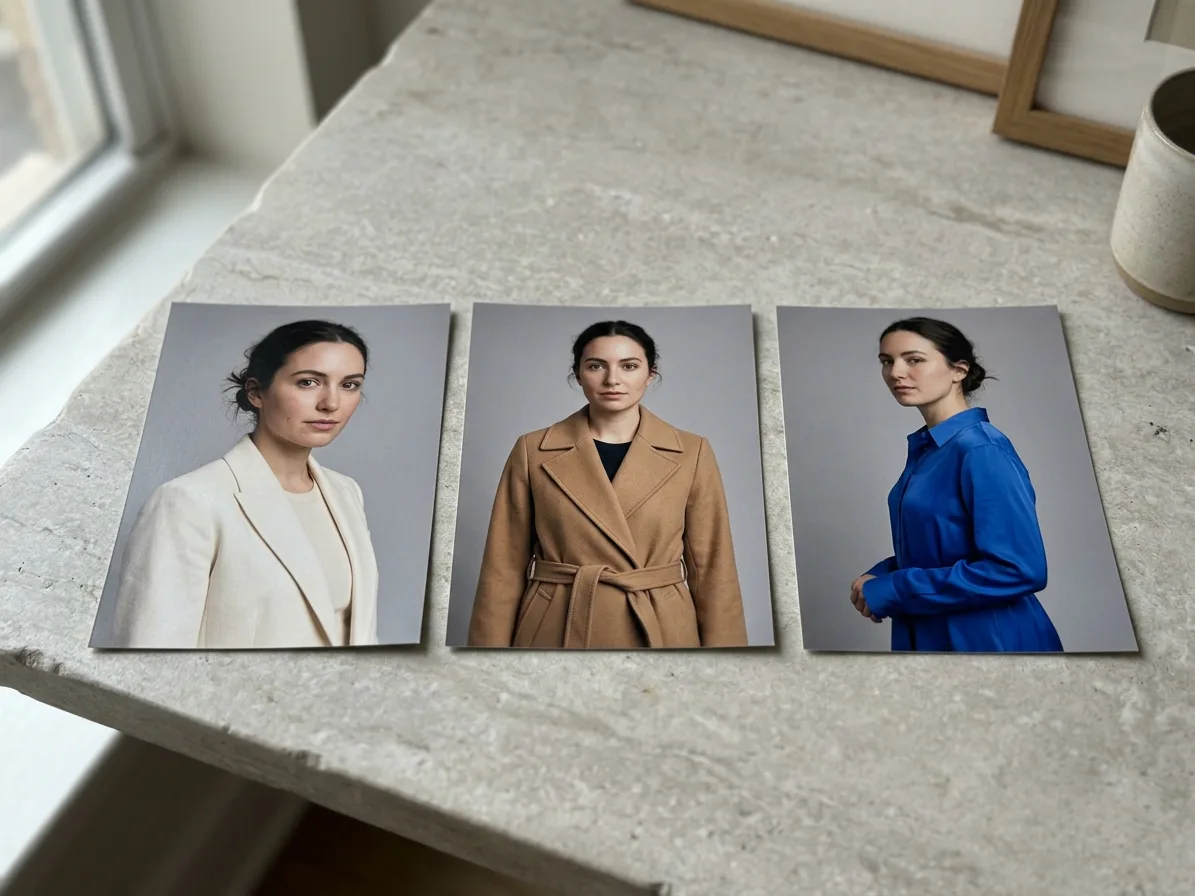
A look book is a curated set of styled fashion images presenting a collection in editorial context — used for press kits, seasonal launches, brand marketing, and internal merchandising briefs.
Read full definition →Lookbook photography
Lookbook photography is curated brand-mood imagery showcasing a collection in styled context — typically used for seasonal launches, press kits, and marketing campaigns.
Read full definition →LoRA (Low-Rank Adaptation)
LoRA is a fine-tuning technique that adapts a large pretrained AI model to a specific style, identity, or concept with very little additional training data — used in fashion AI to encode brand-exclusive models or signature aesthetics.
Read full definition →Marketplace cropping
Marketplace cropping is the process of re-sizing and re-framing product images to meet the listing-image rules of each marketplace — Amazon, Myntra, Meesho, Nykaa, Ajio, Flipkart, and Shopify each have their own specs.
Read full definition →Model swap
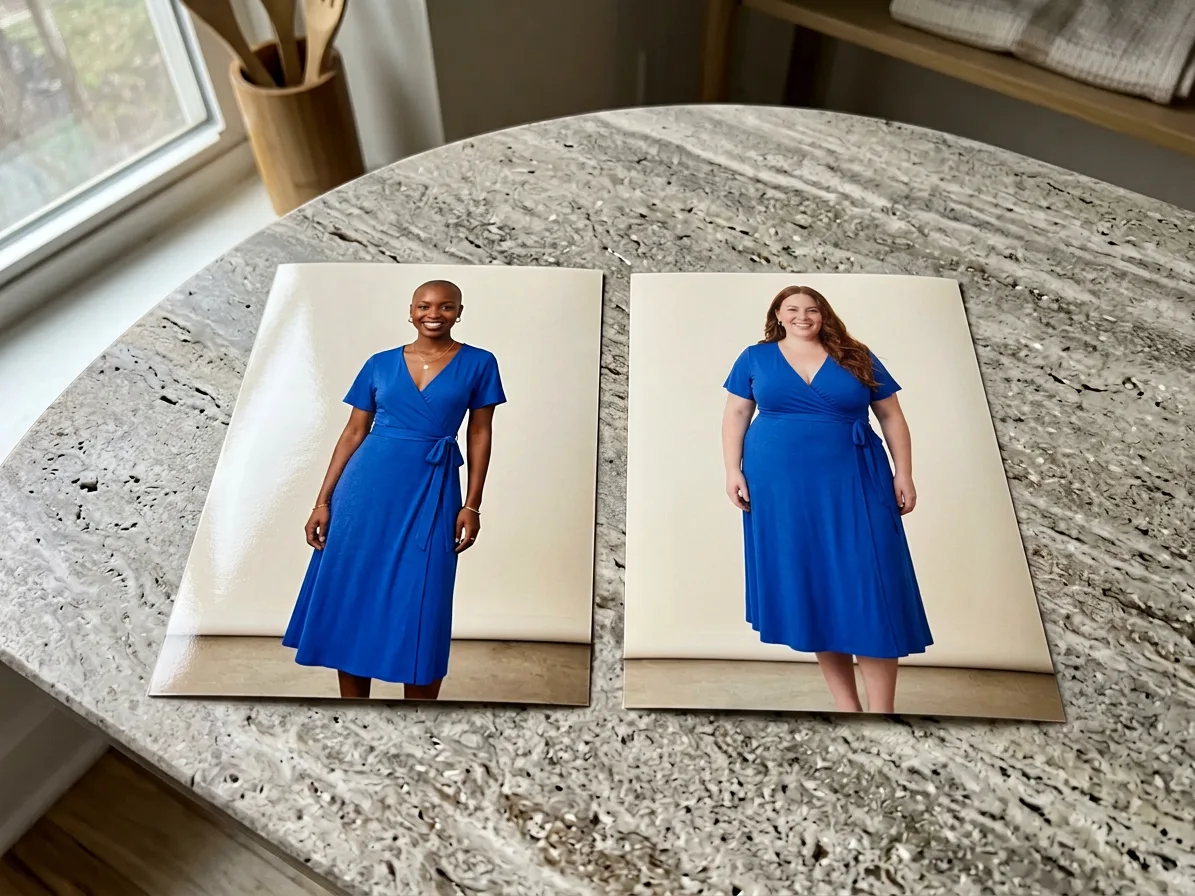
Model swap is the AI workflow of replacing the model in an existing product photo with a different model — different body type, ethnicity, age, or styling — while keeping the garment unchanged.
Read full definition →On-model photography
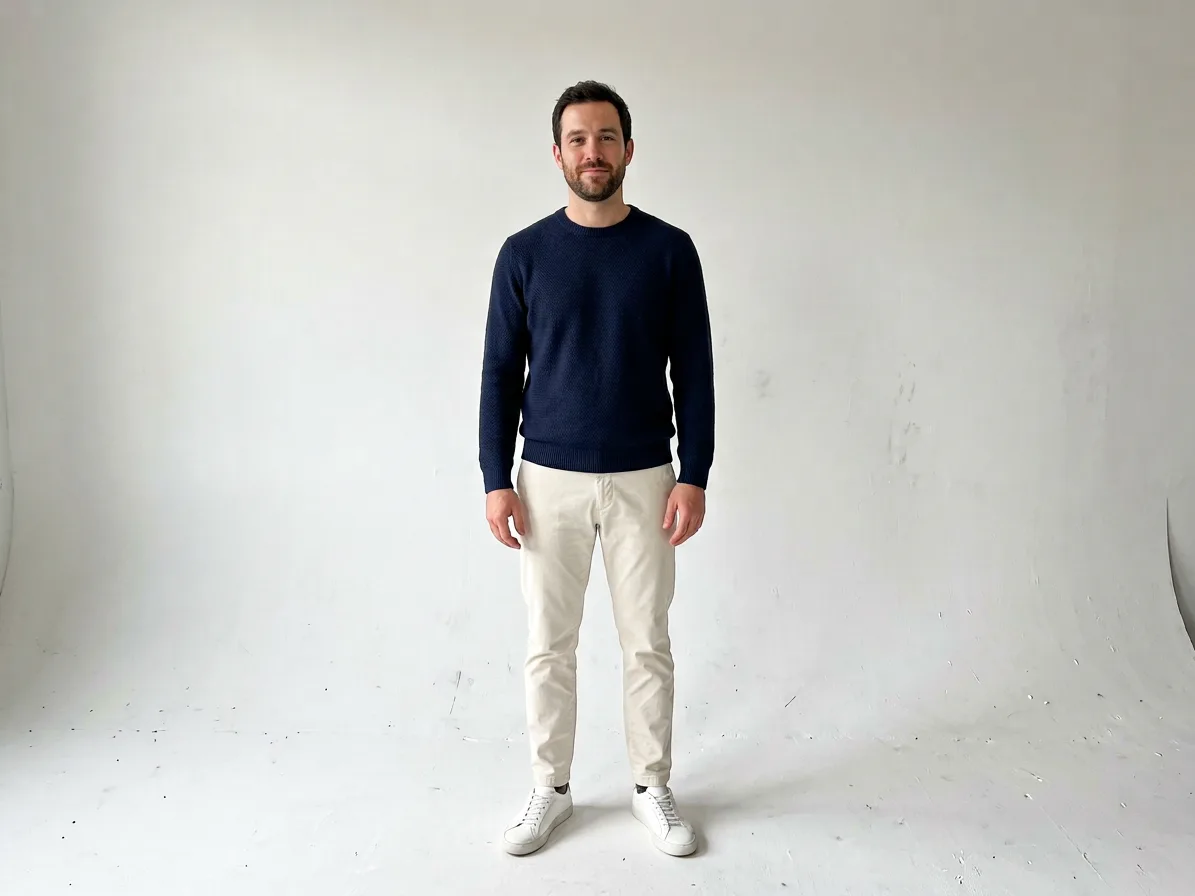
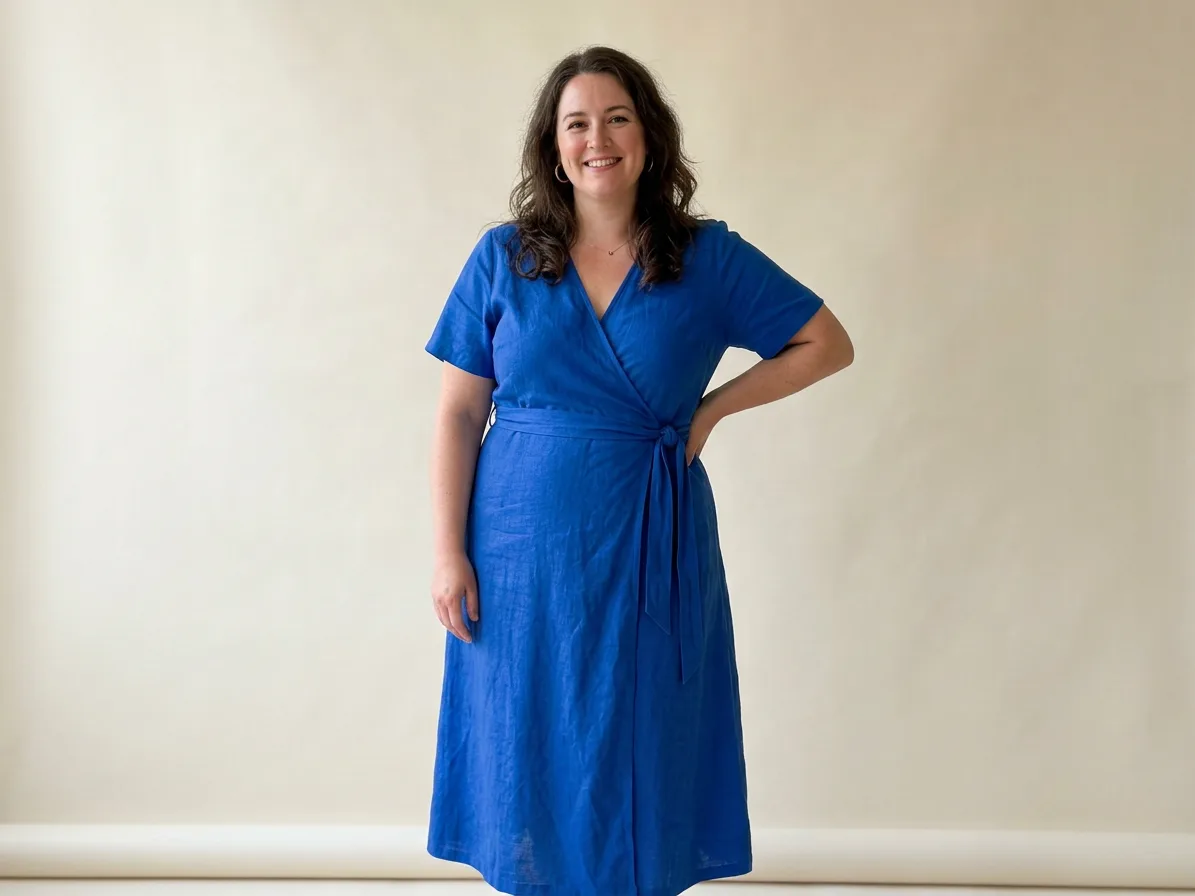
On-model photography is product imagery shot on a real or AI-generated model wearing the garment, showing fit, drape, styling, and how the product looks in context.
Read full definition →Packshot
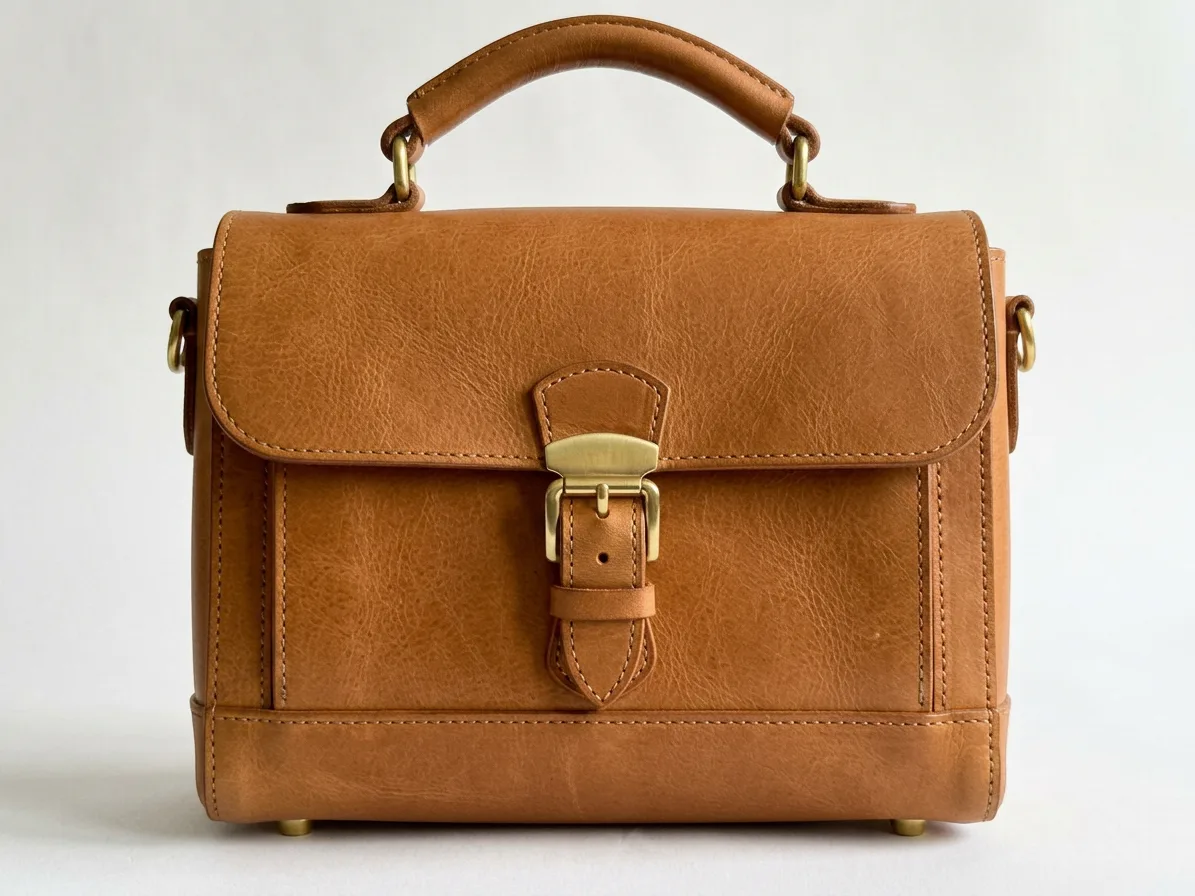
A packshot is a clean, isolated photo of a product on a plain background — typically pure white — used for ecommerce listings and marketplace PDPs.
Read full definition →PDP (product detail page)
PDP is the product detail page on an ecommerce storefront — the page where a shopper sees full product imagery, description, price, and adds to cart. Catalog photography is mostly about producing PDP-ready imagery.
Read full definition →Prompt engineering (for fashion AI)
Prompt engineering is the practice of writing text instructions that guide AI image and video generation toward a target output. For fashion AI, prompts cover garment, model, scene, lighting, and styling specifics.
Read full definition →Shoppable video
Shoppable video is video content where products can be tapped or clicked to add to cart directly — used on TikTok Shop, Instagram Shopping, Meta Advantage, YouTube Shopping, and increasingly on Shopify storefronts.
Read full definition →Virtual try-on
Virtual try-on is a shopper-facing technology that lets customers see how a garment, accessory, or piece of jewelry would look on their own body before buying.
Read full definition →White-background product photography
White-background product photography is the listing-image standard for most marketplaces: pure white (#FFFFFF) backdrop, no props, no shadows, no extra elements — used as the main image on Amazon, eBay, and most apparel marketplaces.
Read full definition →Built by marketing experts for creative teams ❤️