Fashion AI glossary
Ghost mannequin photography
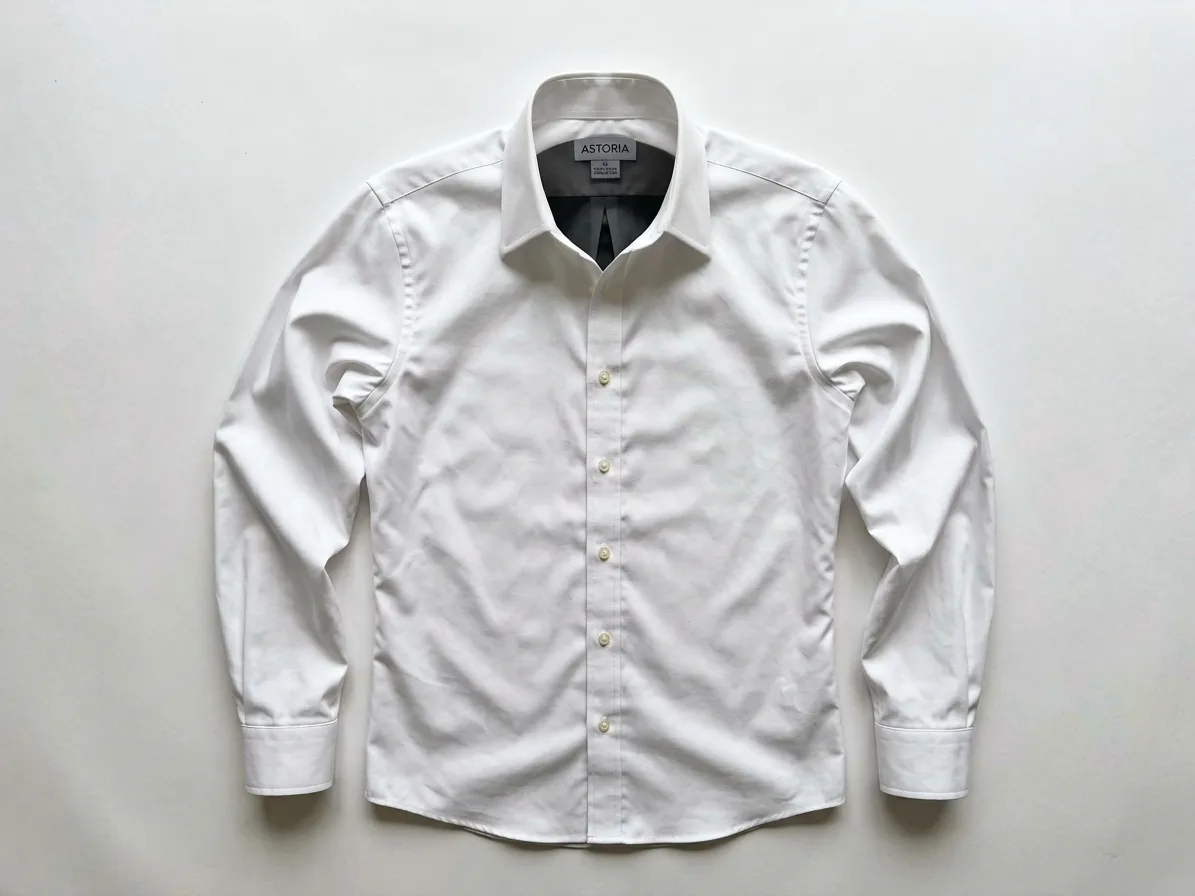
Ghost mannequin photography is a product photo style where a garment looks like it is worn by an invisible person. The garment is shot on a mannequin, the mannequin is edited out, and the inside neck, collar, and seams are reconstructed so the piece holds a three-dimensional shape.
Ghost mannequin is a catalog standard for apparel ecommerce because it shows fit and construction without a model in the frame. A shopper can see how the garment hangs, the inside collar, and the neck label, which is most of what they need to judge the piece before buying.
The classic technique is a two-shot composite. The garment is photographed on a modular mannequin with the chest plate removed so the camera sees into the neckline, then a second shot captures the inside back of the collar and label. In editing, the inside shot is layered behind the front so the hollow neck reads as real. AI ghost mannequin tools reproduce that result from a single mannequin, hanger, or flat-lay photo, rebuilding the hidden inside seams automatically instead of compositing by hand.
Ghost mannequin sits between flat lay and on-model photography. Flat lay is the fastest and cheapest but flattens the garment; on-model shows fit and styling but costs the most to produce; ghost mannequin keeps the three-dimensional shape and inside detail without a model, which is why it is the default for apparel listing images.
Most apparel marketplaces, including Amazon, Myntra, Meesho, and Nykaa, accept or prefer ghost mannequin imagery for listing pages because it reads as clean and consistent across a catalog. It is a common choice for brands that want fit-accurate PDP images without booking models for every SKU.