Skincare photo guide

How to photograph skincare

Pumps, droppers and jars, the texture inside them and the skin they're for. What a skincare image must show, and how our studio shoots skincare with AI.

Jump to the guide

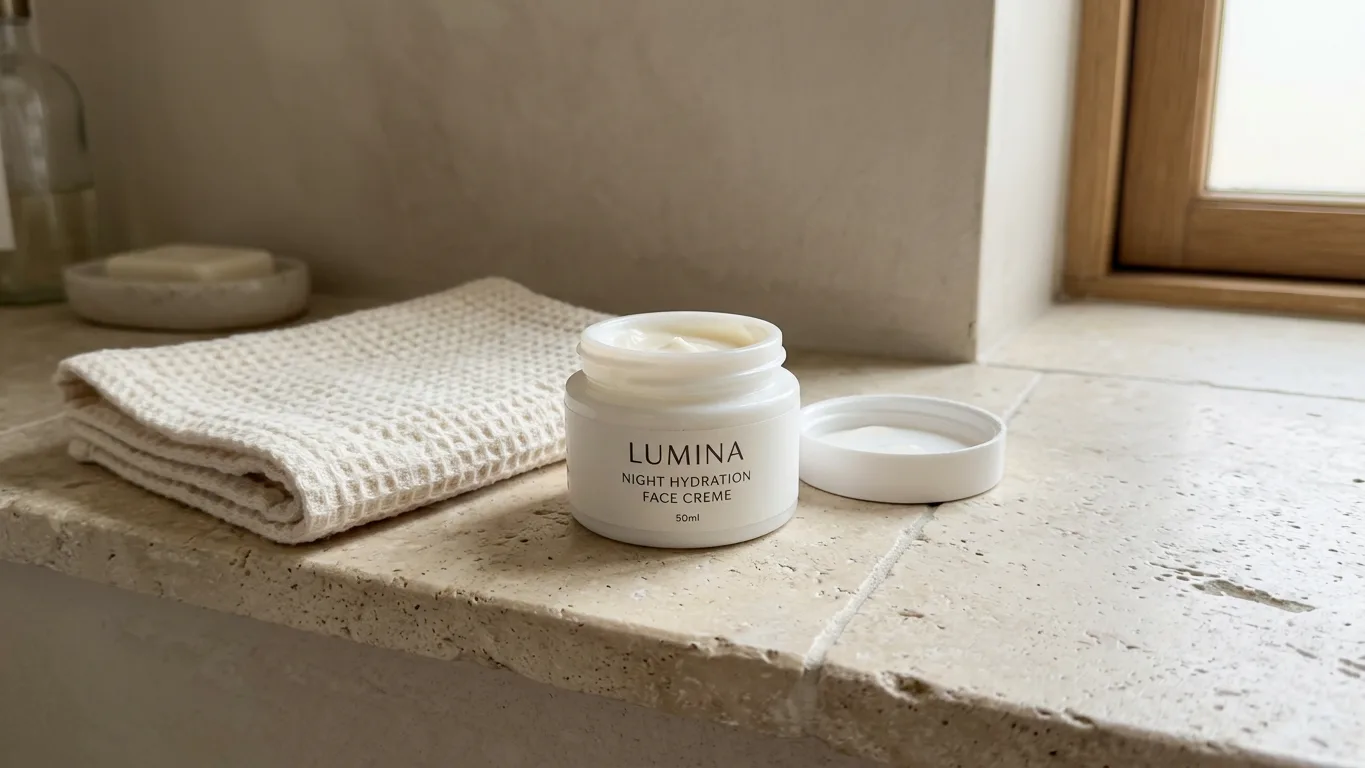
White ceramic jar of face cream with its lid off on a stone shelf beside an ivory towel, made with AI

Written by Aarushi Jain Co-founder & COO of Kaptured.AI

Updated

A skincare shopper can't feel the cream or smell the serum, so the photo has to show how it behaves: how thick it is, how it spreads, how it sits on skin. Texture shots, finger-swipes and drops do the work a tester does in a shop.

Skincare is also claim-sensitive. Labels carry ingredient names and certifications that have to read clearly, and images must never suggest results the product hasn't been shown to deliver.
What a skincare photo has to get right

  • Texture and consistency

    Rich cream, light gel, clear serum, dry oil: each needs to look like itself. A swipe or a drop is often the most persuasive image in the set.

  • Readable labels

    Product name, key ingredient and any certification must read on the pack at thumbnail size, including on glossy or curved bottles.

  • Ingredient story

    Clinical brands lean on lab glass and clean surfaces; botanical brands on leaves and stone. The setting should match the claim on the label.

  • Real skin

    Application images on face, hands or neck need real-looking skin with pores and texture, across the ages and tones of your customers.

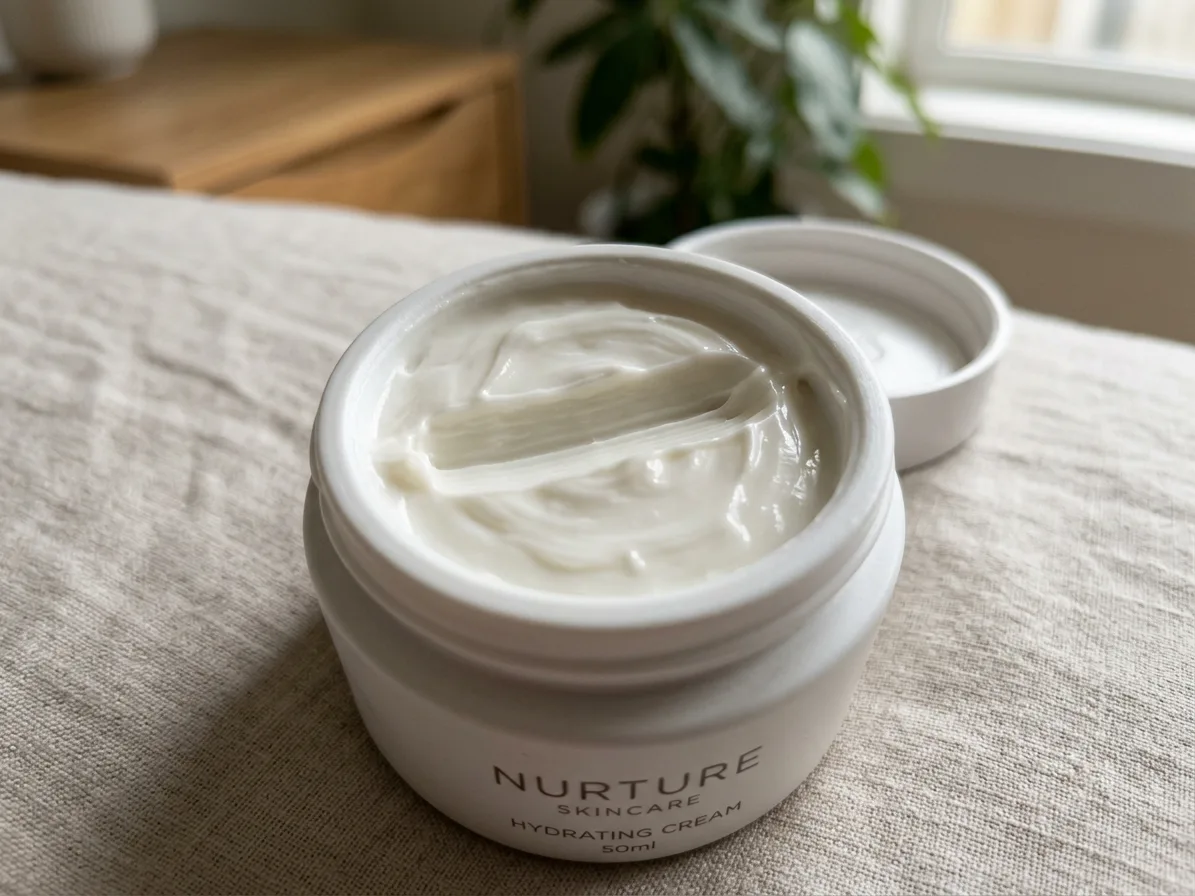
Close-up of the cream's surface with one finger-swipe through it, made with AI
Detail shot, sample made with AI: close-up of the cream's surface with one finger-swipe through it.

What a skincare shoot takes without AI

  1. Tabletop set-ups

    Each bottle, jar and tube gets its own light, with polarising filters for glossy packaging and constant cleaning for fingerprints.

  2. Drops and swipes

    Pump dispenses, dropper drops and finger-swipes are separate set-ups, often shot many times to catch one clean result.

  3. Prop sourcing

    Botanicals, extracts and lab glassware are bought and styled to the brand, and fresh ingredients wilt under the lights.

  4. Model casting

    Application shots need models across skin tones and ages, plus hair and makeup kept deliberately minimal.

How we shoot skincare with AI

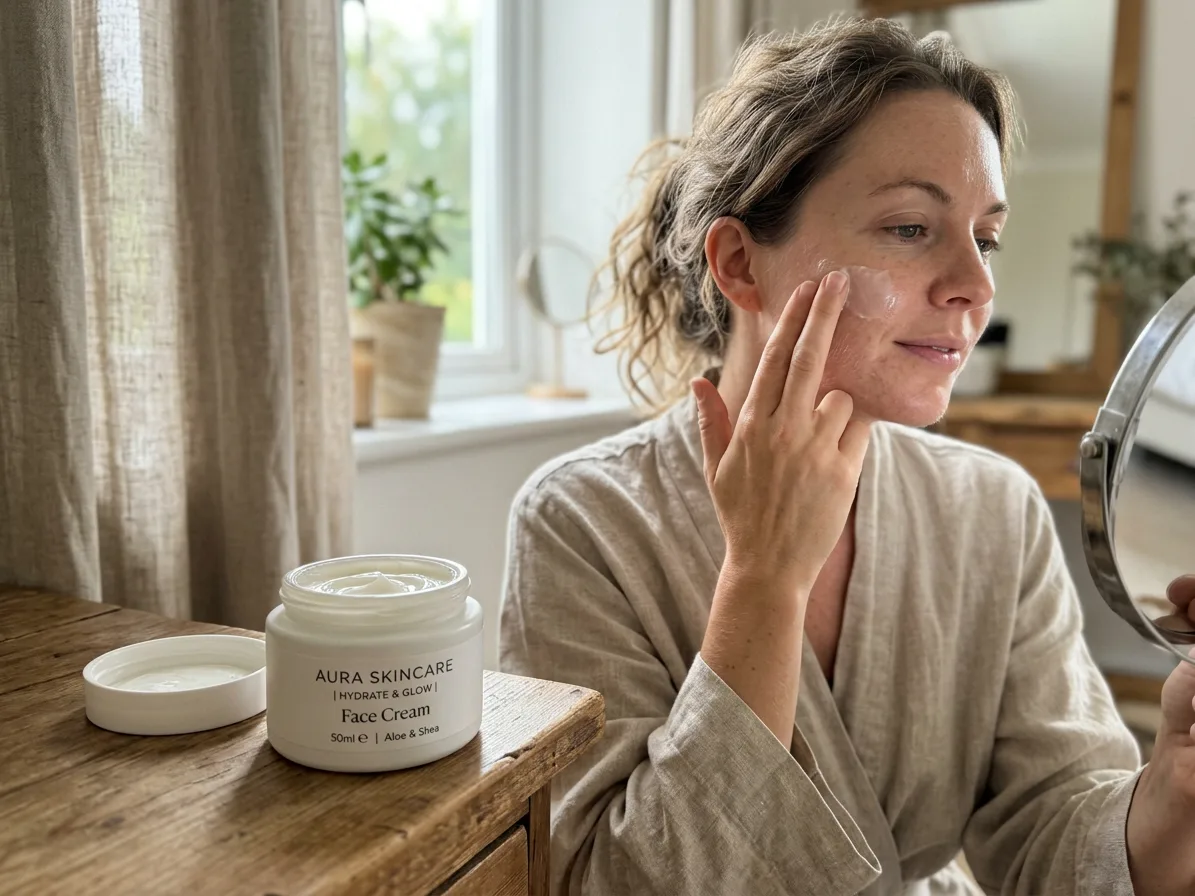
A woman applying the cream to her cheek with two fingers, made with AI
In use, sample made with AI: a woman applying the cream to her cheek with two fingers.
  • From photos of your range

    Send photos of each product, plus a photo of the formula if you have one. We shoot them with AI with labels and packaging as they are.

  • Texture that looks true

    We show each formula's texture as it really is, from a dense cream peak to a single clear drop, matched to your reference.

  • Application on real-looking skin

    We cast faces and hands with AI across skin tones and ages, with visible pores and natural texture.

  • Claim-safe by design

    We show the product and the routine, never a before-and-after result. Your team signs off every image before it goes live.

Our lifestyle and location service covers routine and ingredient scenes, and the packshot service the clean listing shots.

Sized right for every marketplace you sell on

  • Amazon

    Main image on pure white (RGB 255, 255, 255), with the product filling about 85% of the frame and no props, text or extra items.

    Source: Amazon Seller Central, product image requirements. Checked 3 Oct 2026.

  • Amazon

    Keep ingredient and benefit images to the supporting slots, and check medical-sounding claims against category rules before listing.

    Our advice

  • Your own store

    Lead with the brand story and keep clean packshots for the product grid.

    Our advice

  • Sephora, Ulta and Nykaa

    Branded images with texture and ingredient context do well in the gallery.

    Our advice

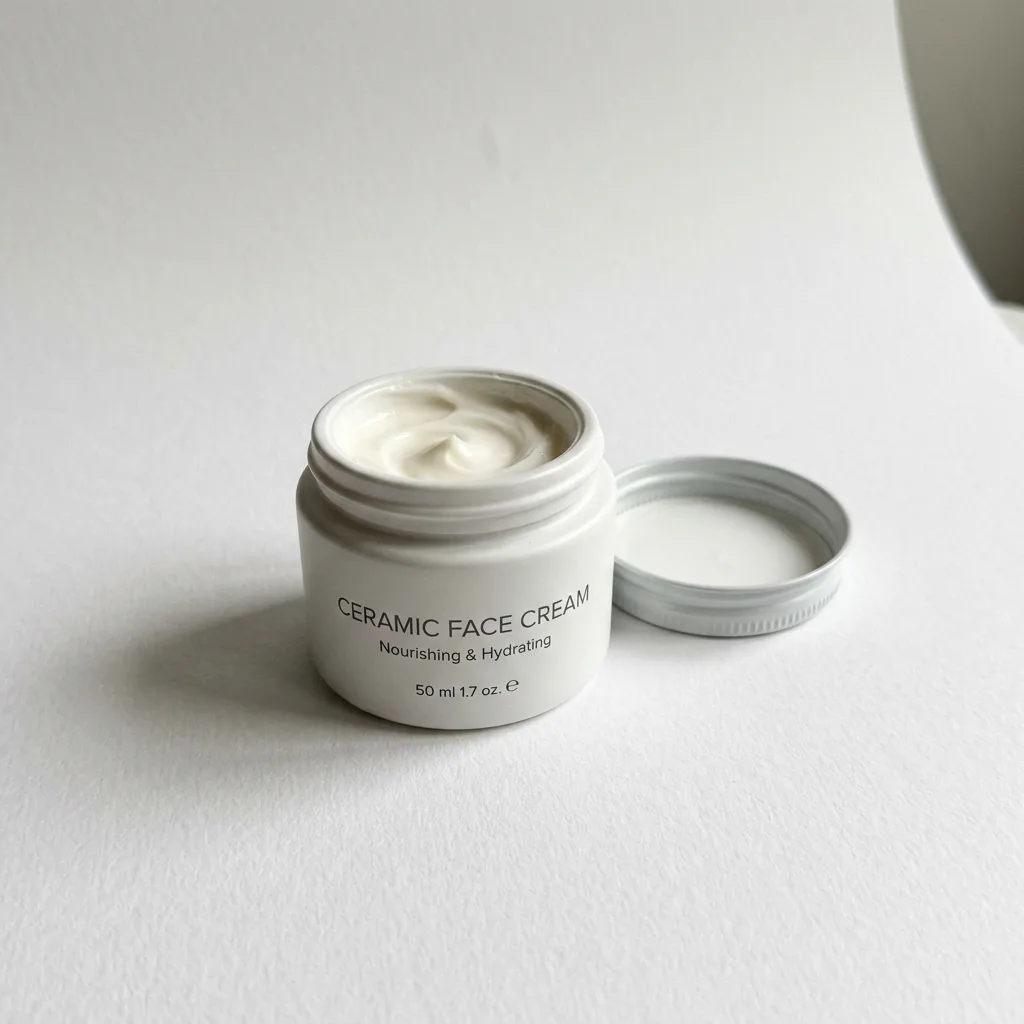
The face cream jar on white, lid beside it, seen from slightly above, made with AI
White-background shot, sample made with AI: the face cream jar on white, lid beside it, seen from slightly above.

FAQs

Skincare photos where texture and labels look exactly as they are

Do serum and oil drops look real?
Yes. Drop shape, clarity and how the liquid sits on skin are matched to your formula, and each image is checked against your reference photos.
Can you show application on different skin tones?
Yes. We cast faces and hands across skin tones, ages and textures so customers see the product on skin like theirs.
Can you make before-and-after images?
No. Images that suggest a result can mislead customers and break marketplace rules. We show the product, its texture and how it's used.
Chat avatar
Book a free creative call Talk to our creative team
Call
WA
Email